Cutting Through The Noise Of Financial Markets

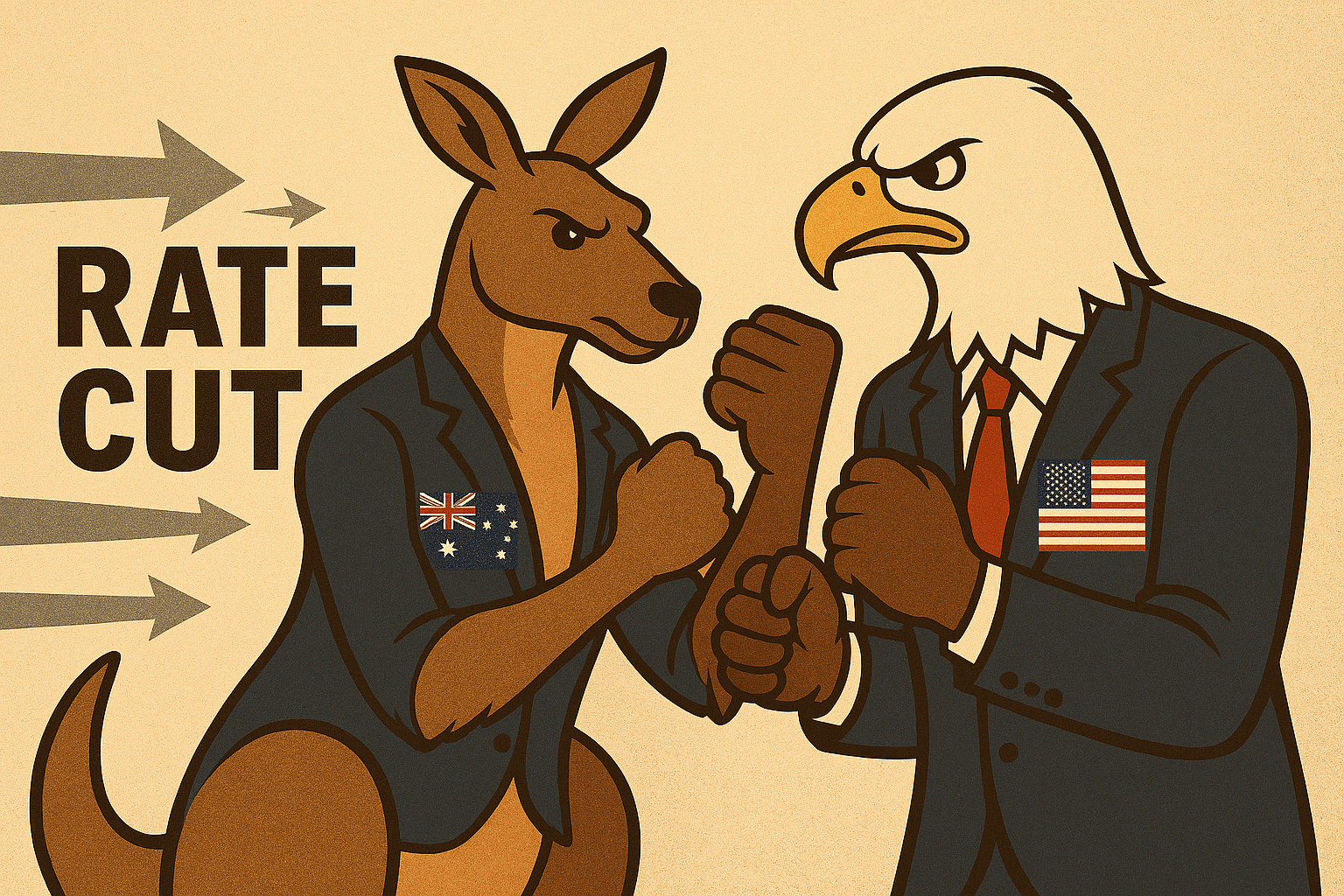

Context: The RBA and the Federal Reserve have begun easing interest rates from their post‑pandemic peaks in an effort to relieve the ongoing cost‑of‑living pressures. Despite these cuts, rates remain above their long‑term norms. Both economies are caught in a delicate balance: indicators such as the labour market and broader activity point to slowing growth, yet inflation remains persistent enough to keep policymakers cautious. This tension leaves central banks navigating a narrow path, weighing the risks of easing too quickly against the dangers of holding rates too high for too long.
Why the US and Australia should delay further rate cuts until a clearer policy path emerges
In my view, both the Fed and the RBA should avoid rushing into further rate cuts until a more definitive roadmap emerges. For the long‑term stability of financial markets, it’s crucial that inflation first settles consistently in the 1.5–2% range. Only then can we realistically expect the kind of disinflationary‑driven expansion that boosted European indices like the IBEX 35 and DAX 40 last year. What does this imply for markets in the near term? It suggests that economic activity in both countries is likely to bottom out at some point this year. That slowdown could unsettle investors and trigger a meaningful pullback, but such a correction would ultimately be constructive for the broader cycle. Equity markets are inherently forward‑looking, typically pricing in expectations six to twelve months ahead, so once a clearer path for rate cuts emerges, sentiment should rebound quickly. With that clarity, investors may begin positioning for a potential disinflationary upswing by mid‑to‑late 2027, setting the stage for strong market momentum as this year progresses.
What would happen if they cut too quickly?
The real risk of the Fed and RBA cutting rates too aggressively is that inflation could flare up again. From the outside, quicker cuts might appear to be an easy solution to sluggish short‑term economic activity, but the longer‑term consequences would be far more damaging. Markets in both countries have already priced in a steady path of easing, and any unexpected return to rate hikes would abruptly stall that momentum. A reversal like that could easily trigger a market environment similar to 2022, with broad declines and heightened volatility. In my view, that scenario represents the most damaging outcome for investors.
The Trump Factor
Powell and the Federal Reserve need to stay disciplined. Trump has repeatedly argued that rates should be lowered immediately and has claimed the Fed has mishandled inflation, even suggesting he could resolve these issues himself. While those statements may sound appealing on the surface, they don’t align with how monetary policy realistically works. What matters now is that the Fed, as Powell has emphasized, stays focused on the data and maintains a responsible, measured approach to easing especially in an environment where political pressure is intense. A steady, cautious path is essential for preserving credibility and ensuring long‑term economic stability.
European Lesson
Spain’s IBEX 35 has surged an impressive 47% over the past year, supported by a period of stable inflation that briefly hit the 2% target mid‑year before edging back toward 3%, alongside steady GDP growth of around 3%. Conditions like these create an ideal backdrop for equity markets to flourish. Germany has seen a similar though more modest trend, with the DAX 40 gaining just under 20% despite GDP growth remaining essentially flat. Investor confidence has strengthened as both markets appear to have established a clearer path forward, one that points toward continued economic improvement this year. It’s a good reminder of the forward‑looking nature of equity markets: even when current economic data appears soft, market performance often reflects expectations for where the economy will be six to twelve months down the line.
Summary
In summary, I hope both nations resist the temptation to push through rapid rate cuts simply to generate short‑term momentum. The priority should be safeguarding the long‑term health of the economy, ensuring that every policy decision is grounded in stability rather than urgency. Even if this approach results in a slower year ahead, I’m confident it will lay the foundation for two far more prosperous years to follow years in which investors can genuinely capitalise on a healthier, more sustainable economic cycle.
That said, I’m not dismissing the importance of achieving a soft landing. It remains absolutely crucial that central banks stay responsive to real‑time data and act swiftly when conditions genuinely warrant it. If growth weakens too sharply or financial conditions tighten unexpectedly, rate cuts must be delivered decisively to prevent unnecessary economic damage. The balance lies in avoiding premature easing while still being prepared to move quickly when the evidence clearly supports it. Striking that balance is what will ultimately set both economies up for a stronger, more durable expansion.
Disclaimer: The content provided on Whisper Wealth is for informational and educational purposes only and does not constitute financial, investment, or legal advice. While I strive to provide accurate and timely information, I am not a licensed financial advisor, and the views expressed are my own. You should not rely solely on this content to make financial decisions. Always consult with a qualified financial professional before making investment choices. Whisper Wealth and its contributors are not responsible for any losses or damages resulting from reliance on this information..


